
The Cuban Heritage Collection will be featuring highlights from Goizueta Fellows’ research investigations conducted during their fellowships. Mariamnny Contreras-Fernández (@_mariamnn), shares the following about her research on traditional healing practices in Cuba and its tensions with Western medicine:
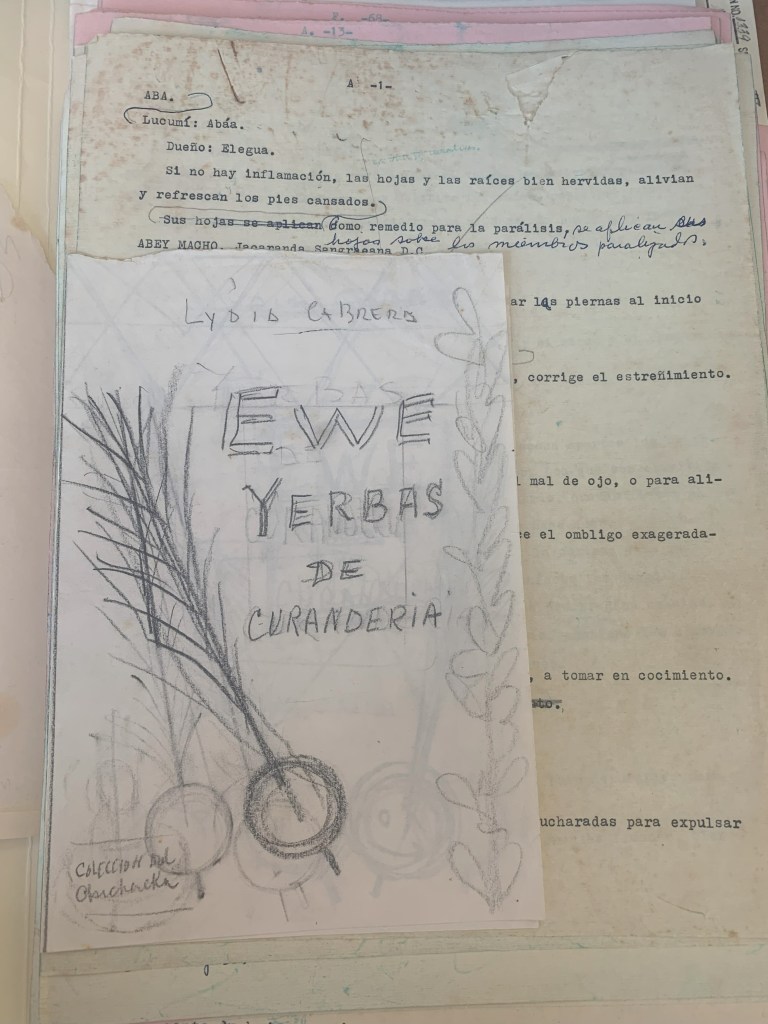
Calixta Morales was one of the most honorable iyalochas of Havana, as well as Lydia Cabrera’s informant in her book El Monte (1954). About medicine, she stated that it “is botany in disguise -palo and yerba-, and in the monte they are all alive”. (23)
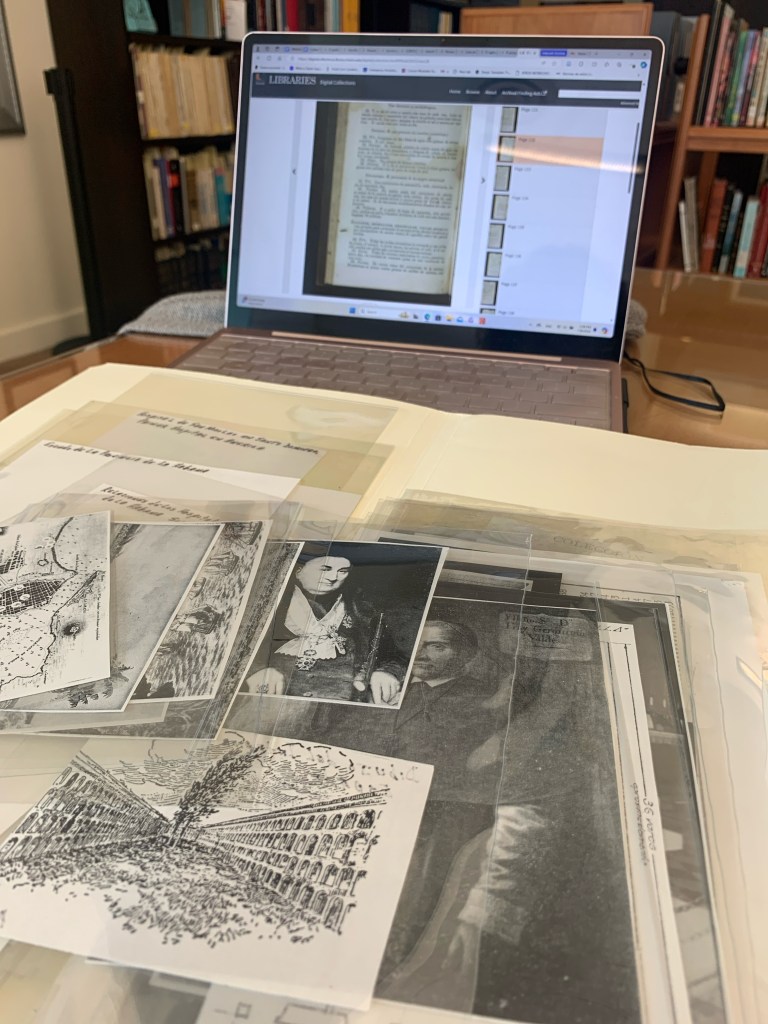
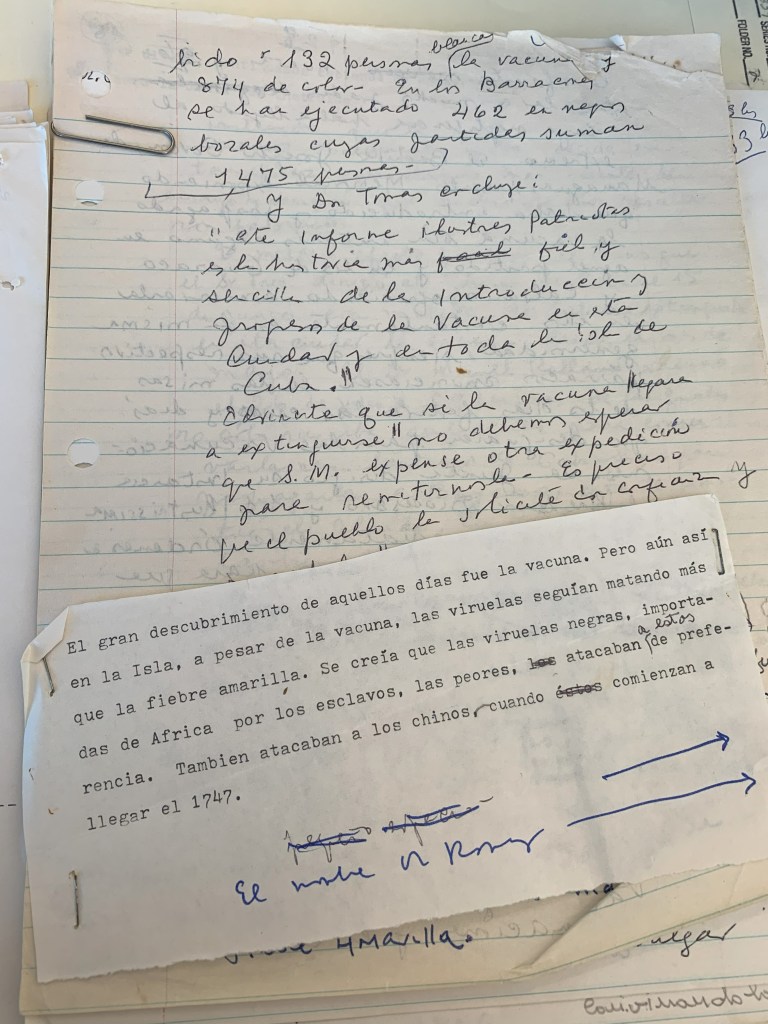
The intrinsic relationship between healing and magical religious practices is a theme that cuts across Cabrera’s work. Throughout her work, we see the convergence between the installation of the modern medical industry, which arrived with a boom from the West, and the traditional medical practices (indigenous and slaves) that still resist as a vital part of the Cuban collective imagination. This was the main reason why I applied as a Pre-Prospectus Fellow at the Cuban Heritage Collection. My main objective then was to carry out an exhaustive review of the wonderful collection of Lydia Cabrera’s papers in the CHC archives.
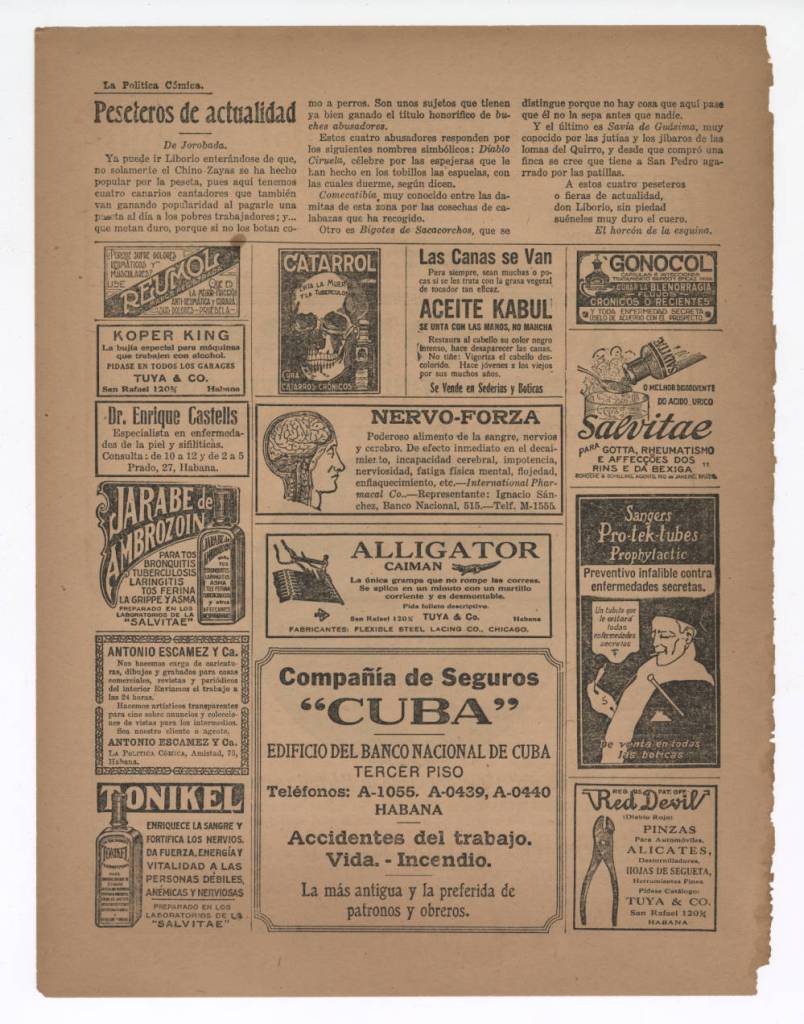
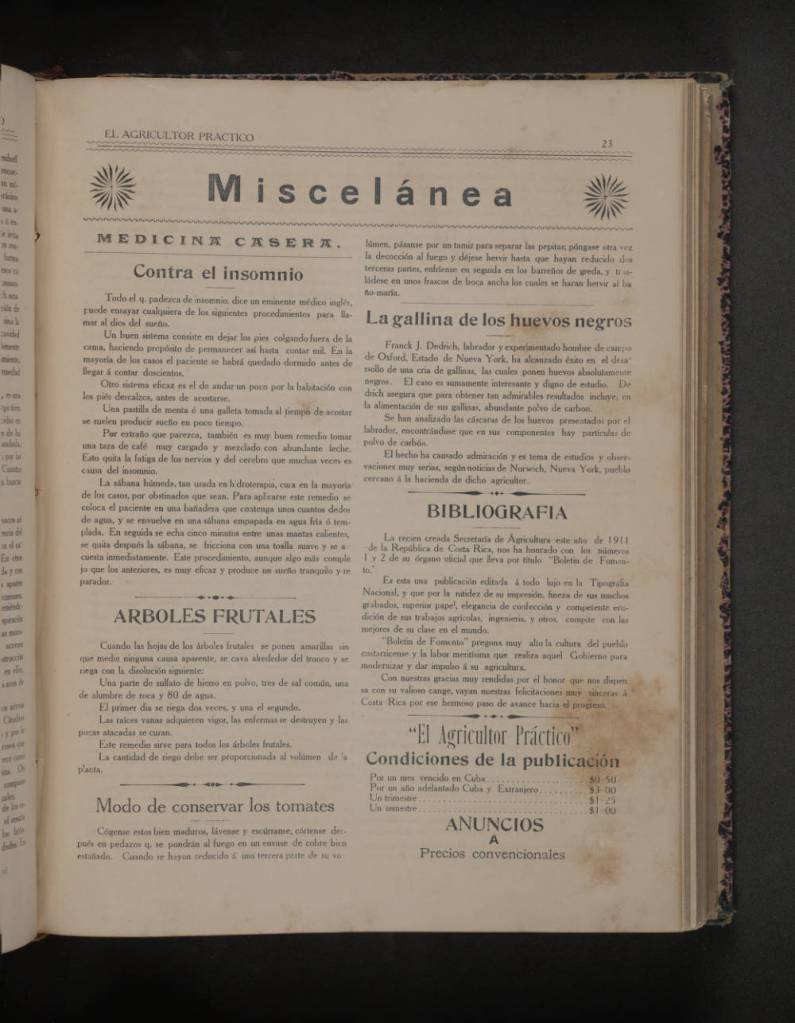
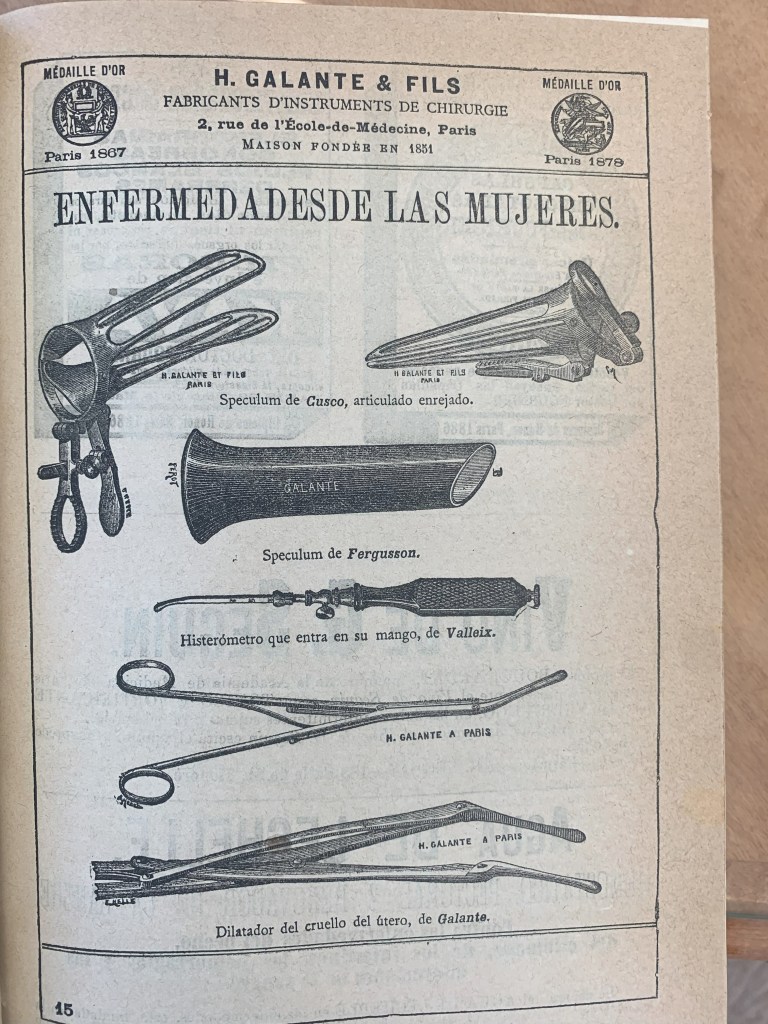
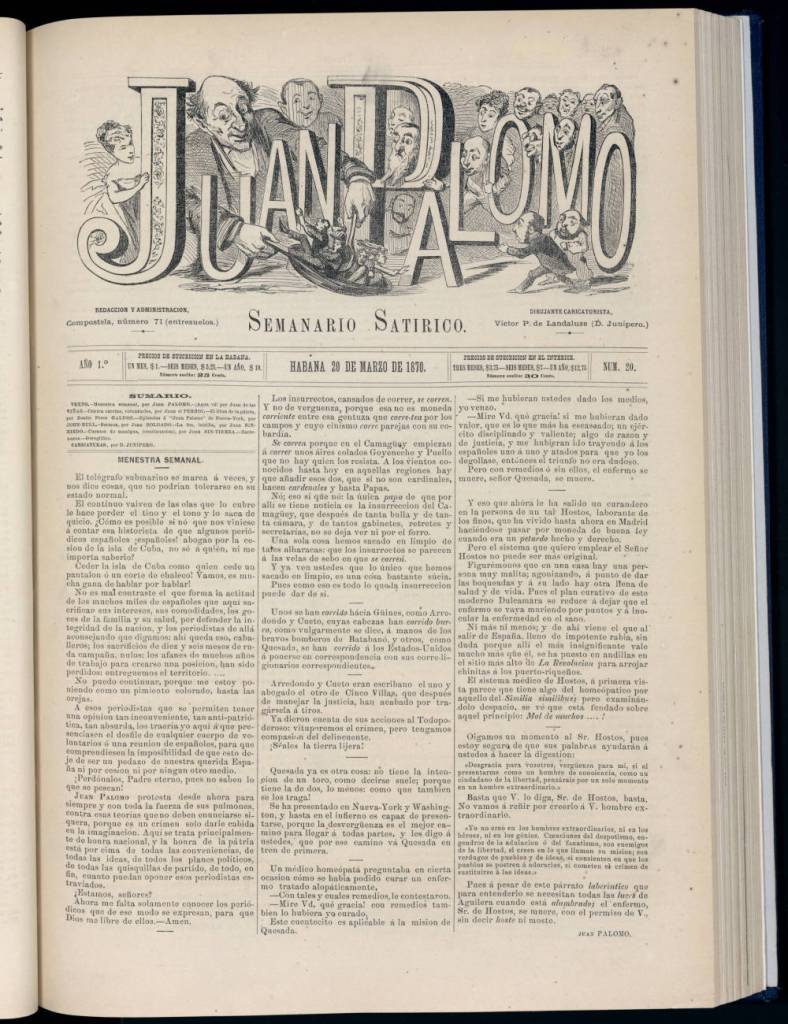
If we want to carry out a historiographic analysis of the way in which the medical institution was established in Latin America and the Caribbean, it is impossible to leave out the island of Cuba. Therefore, during my stay at the Cuban Heritage Collection, in addition to holding in my hands Cabrera’s handwritten works on alternative forms of healing through traditional medicine, I also reviewed entire collections of periodicals such as La Gaceta de La Habana, whose late 19th century issues reveal a curious interest in secret medicines. These were very popular in the Havana social sphere of the time, and speaking of curiosity, the complete collection of El Curioso Americano also reveals the developing debate that was taking place during the nineteenth century around the medical sciences.
In addition to these archives on the social political processes that were involved in the colonial attempts to displace the indigenous and African cosmogony on the idea of healing and disease, I was able to identify connections between domestic and foreign authors of the time. The vast amount of materials that the CHC preserves in its facilities, as well as the invaluable assistance of its team of experts, allowed me to navigate through the work of a network of writers, giving a new dimension to what will be my dissertation.


 Cuban Heritage Collection Blog