
Elizabeth (Liz) Cerejido
I take this opportunity to update you on some very exciting personal news: my family and I are relocating to Costa Rica! While this decision impacts my official position as Curator for Cuban Collections, I remain committed to providing my expertise to the Cuban Heritage Collection in a new consulting capacity, beginning next year. As I embark on this new adventure, I feel immensely fortunate to be able to pursue this dream while staying involved with the work I have been spearheading for CHC for the last four years, specifically in the areas of the visual arts and culture.
The CHC has been a source of personal enrichment and professional growth since the first day I walked in to the Goizueta Pavilion as a graduate student of Latin American Studies nearly two decades ago. Since then, I have had the privilege of engaging with and serving the CHC in various capacities: from independent researcher, expert consultant and Goizueta Fellow, to my tenure as Esperanza Bravo de Varona Chair, and more recently as the first Curator for Cuban Collections for the department.
One of the greatest honors of my life was the opportunity that came with my role as Chair in shaping CHC’s vision and expanding its mission. I brought to the position my lived experience as a Cuban American who grew up in Miami’s Cuban exile community coupled with my professional experience as a museum curator and scholar of Cuban art and cultural politics. Understanding the singular position that the CHC holds in the Cuban Studies landscape as the largest and most comprehensive repository of materials on Cuba and its global diaspora, I developed a vision for the CHC that centered on elevating our standing as a premier destination for research in Cuban Studies, procuring important collections (especially in the areas of the visual arts and culture), and activating our unique materials through curated public programs and exhibition projects. This meant engaging with new audiences, especially from the arts sector, who now form part of the CHC community!
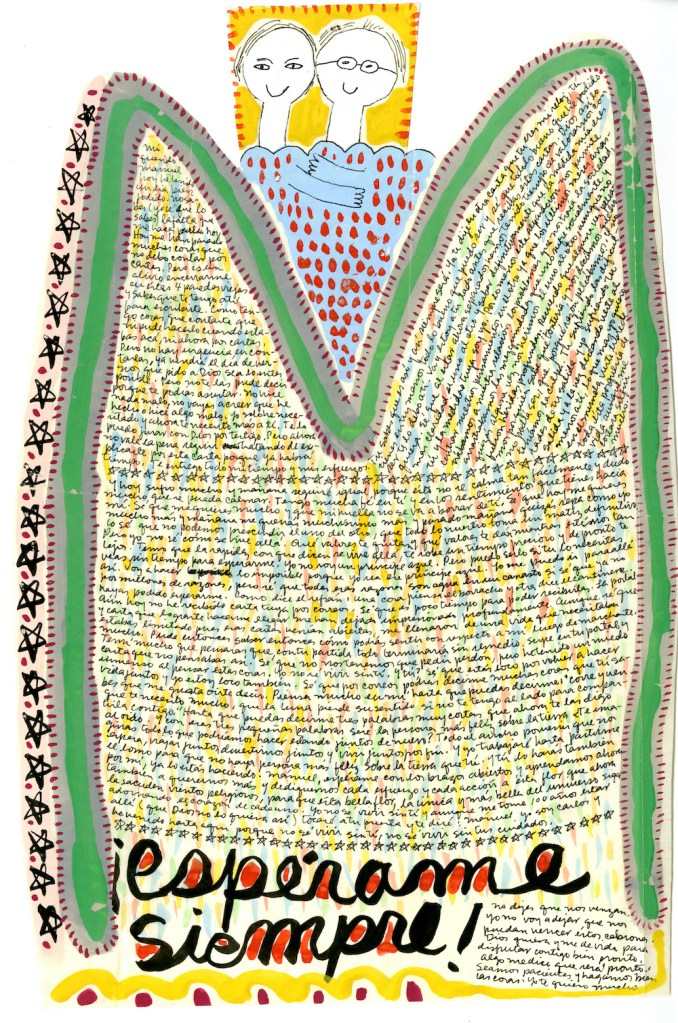
In support of those goals, I secured a $2.6 million grant in 2019 from the Goizueta Foundation to establish the Roberto C. Goizueta Distinguished Presidential Residence Program. In collaboration with a select group of colleagues, I developed a year-long initiative, El efecto Mariel: Before, During, and After, in which we featured a wide range of participants–from community leaders to scholars and diplomats–to contribute to a more nuanced conversation about the events and the aftermath of this historic moment. (This program was particularly significant for me, not only professional but personally, as the events of the Mariel boatlift greatly impacted my life). Relatedly, I sought donations and committed funding to acquiring important materials related to Mariel, which include a rare collection of voice recordings by Reinaldo Arenas [see https://www.nybooks.com/online/2024/09/21/the-basement-tapes/] and a unique cache of love letters written by the late Cuban American artist Carlos Alfonzo to his lover Luis Manuel del Pilar. (Fig. 1). All of these efforts were compiled in a research guide that has continued to serve as an important reference for scholars interested in a more comprehensive and critical history of Mariel and early 1980s Cuban America.
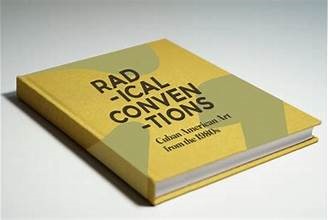
Another exciting milestone as curator was the exhibition I organized titled Radical Conventions: Cuban American Art from the 1980s, which marked the first major project on this specific period, and the CHC and the Lowe Art Museum’s first partnership. With the collaboration of my colleagues at the Lowe, we secured an NEA (National Endowment for the Arts) Grant that allowed us to publish an accompanying catalogue with scholarly essays and full color reproductions. Catalogs are available at both venues: CHC and Lowe Art Museum!
Other achievements in the realm of collection development for which I am most proud was securing the acquisition of the papers of Luis Camnitzer and Rachel Weiss–both integral to the study of contemporary art from Cuba, specifically from the 1980s and early 1990s– and the entire archive of Cuban-Jewish poet, José Kozer.
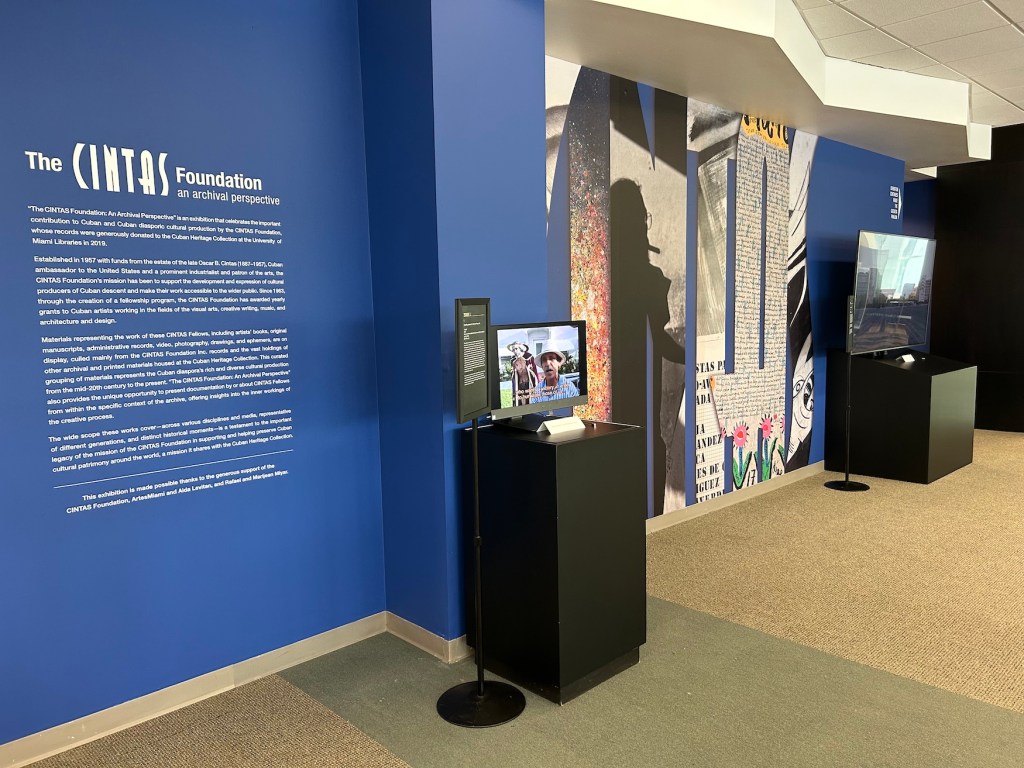
Finally, one of the main tasks which I have passionately undertaken both as Chair, and more recently as Curator for Cuban Collections, is building our materials related to the visual arts and art history, and in tandem invigorating our program of exhibitions. One example regarding the latter is the exhibition I curated in 2023 titled THE CINTAS Foundation: An Archival Perspective, which was not only an opportunity to celebrate the generous donation of these important papers by the CINTAS Foundation, but also allowed us to feature a diversity of art materials–from original drawings and photographs to artist books and original manuscripts–all by CINTAS Fellows in the Collection.
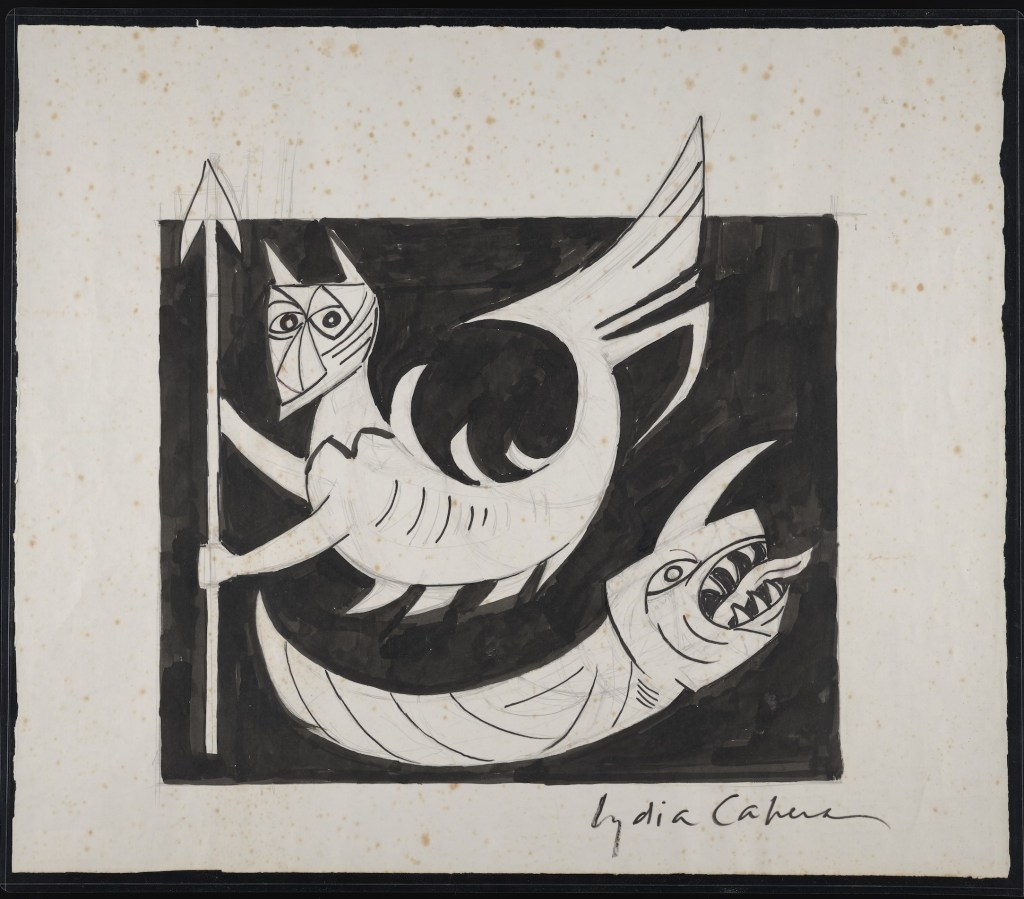
Fig. 3. Untitled drawing by Lydia Cabrera c. 1980s. Lydia Cabrera papers
During my tenure as both Chair and later Curator, we have acquired significant papers and artists’ books by artists representing the vast range of creatives from various generations. The photographic archive of Ramón Grandal, a series of early vintage prints by Tony Mendoza, a unique collection of color photographs of Little Havana by the late Mario Algaze as well as an impressive portfolio from his return trip to Cuba are just some of the notable examples. More contemporary work by photographers Lisette Poole and Tria Giovan continue to strengthen our Cuban and Cuban diaspora photography collection.

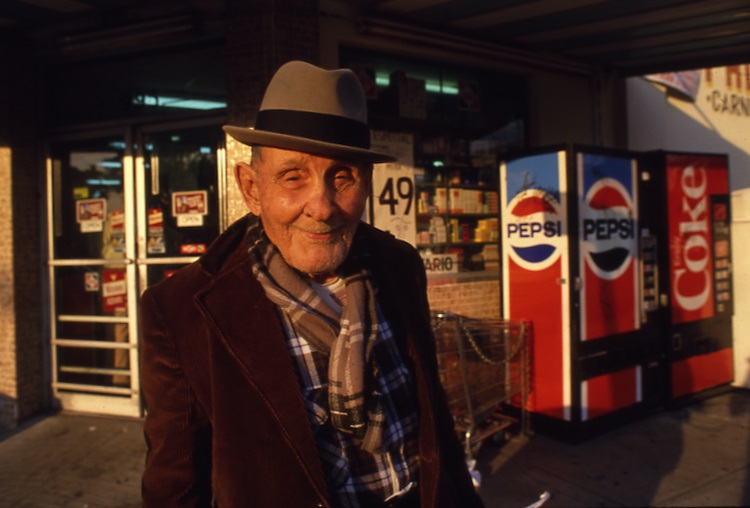
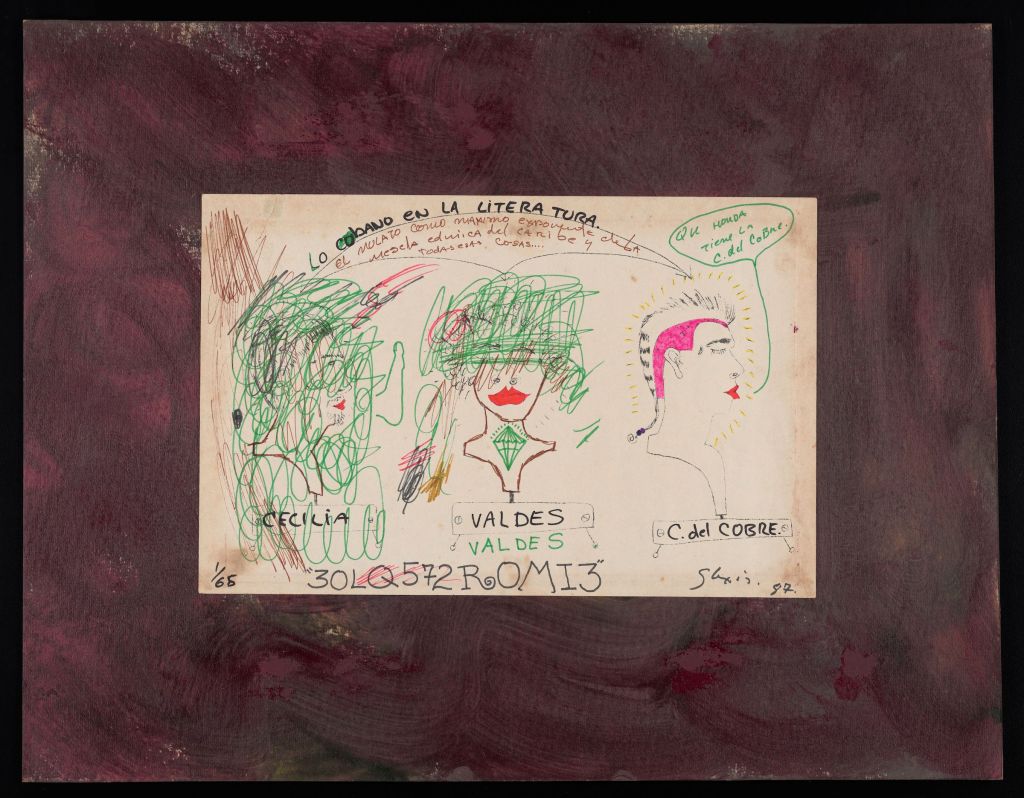
We have acquired artists’ papers, original drawings, and artists’ books by Nereida García Ferráz, Beatriz Monteavaro, Glexis Novoa, Maria Lino, Yovani Bauta, and Ricardo Brey, among many more. The breadth of Cuban and Cuban American cultural production continues to inspire us, and I look forward to further building this rich legacy in my new role as consultant next year.

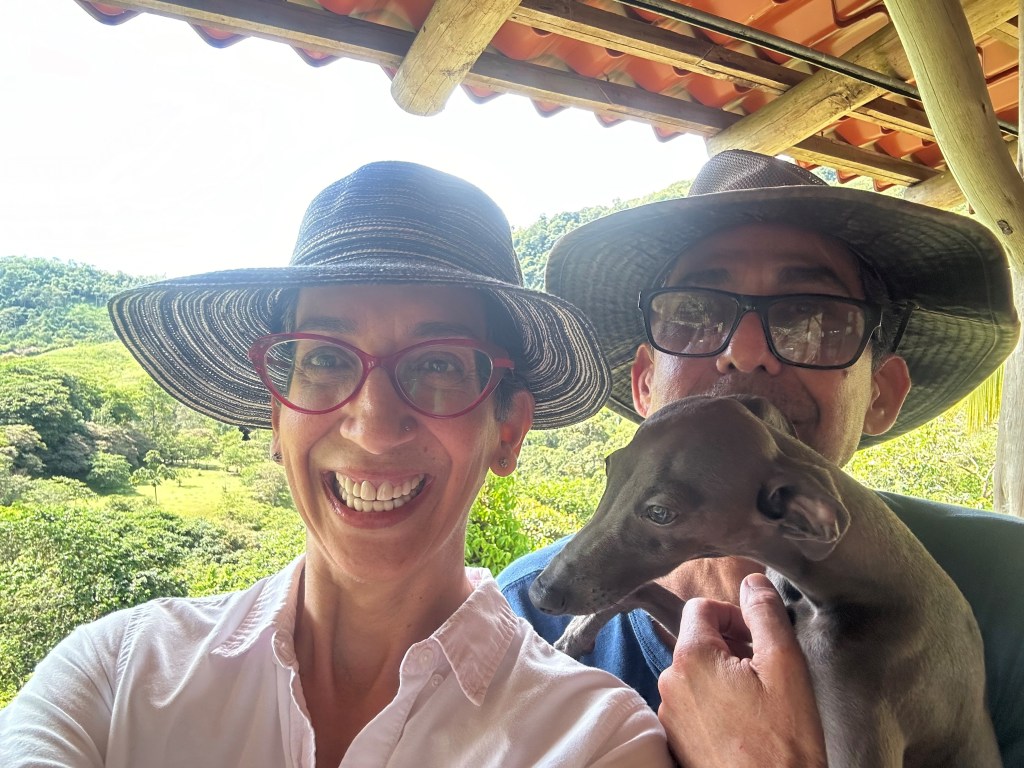
For now, my family and I are excited to begin this new chapter and adventure!
 Cuban Heritage Collection Blog