
By María A. Cabrera Arús, Founder of community archive Cuba Material
National museums are sites of national storytelling. They curate the past, define the present, and project a vision of the future, shaping how a country sees itself and how it wishes to be seen. In contrast, independent museums and archives assemble alternative histories that complicate, expand, or resist the relato oficial. Whether housed in a university library or a private home, they offer a different proposition about what matters and why.
The Cuban exile community in Miami arrived in the city displaced by a political regime that infamously declared “no los queremos, no los necesitamos” in reference to its opponents and, more broadly, all those unwilling to embrace the often-austere realities of state socialism—which starkly contrasted to its own rhetoric of material abundance. In 1980, two decades into this exodus, in an act of affirmation and acknowledgement of this exile, the “Cuban Collection” was created within the Archives and Special Collections Department of the University of Miami’s Otto G. Richter Library, transformed in 1998 into the Cuban Heritage Collection (CHC).
Nestled within a city largely shaped by the Cuban diaspora, the CHC stands as a testament to the exile community’s resilience, creativity, and sorrow; to its determination not merely to endure but to reconstitute itself beyond the borders of the nation; and to its claim to call Miami home. Every family photograph, business ledger, piece of memorabilia, and oral history recording in the collection bears witness to the trajectories of a political exodus whose significance has only deepened within the broader post-1959 Cuban experience.
I created Cuba Material in 2012 to document the material culture of everyday life in Cuba after 1959, focusing on the period between the triumph of the Cuban Revolution and the collapse of the Berlin Wall in 1989, followed by the disintegration of the Soviet Union in 1991, which brought an end to the Cold War. As a private archive, Cuba Material preserves objects and experiences neglected by official institutions and dominant historiographies, yet it lacks the multifold generative possibilities of an institutional archive, being further diminished by the geographic distance that separates it from the community it documents. A community archive without a geographic community, it has been shaped largely by my own curatorial vision, along with the many contributions of its virtual, diasporic public.
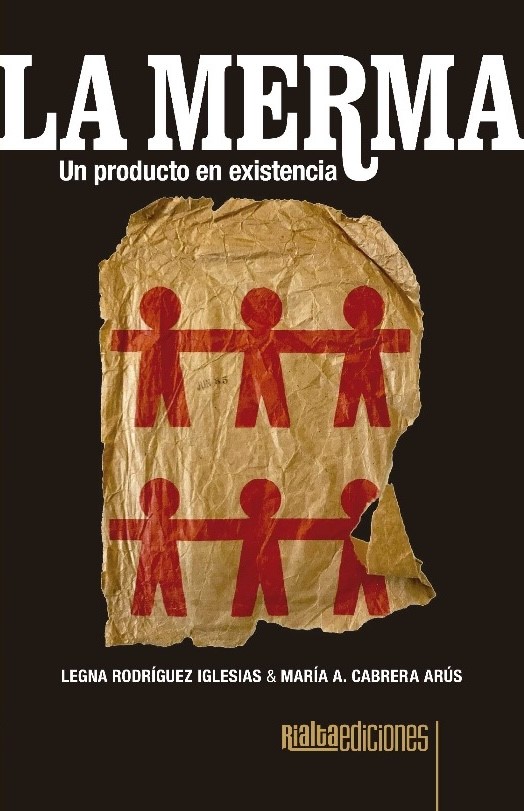
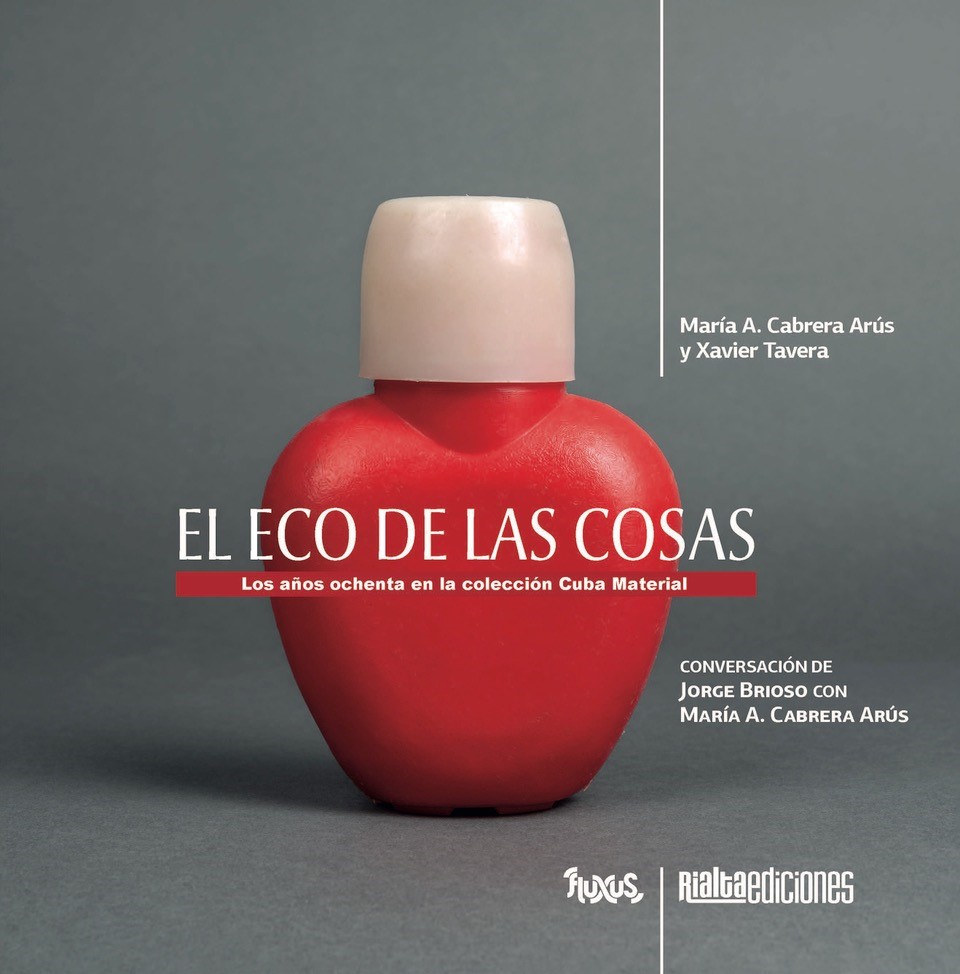
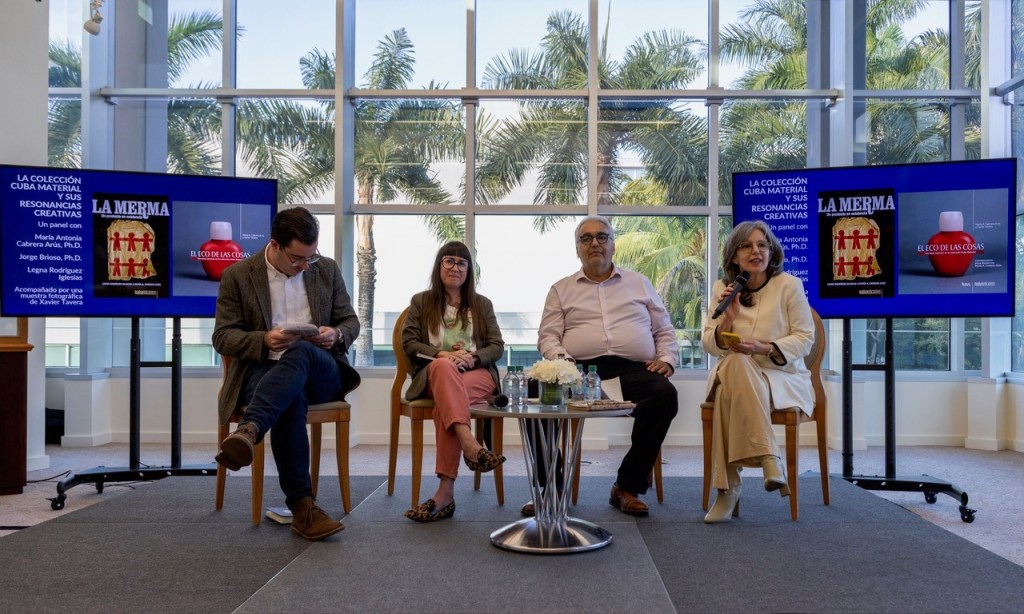
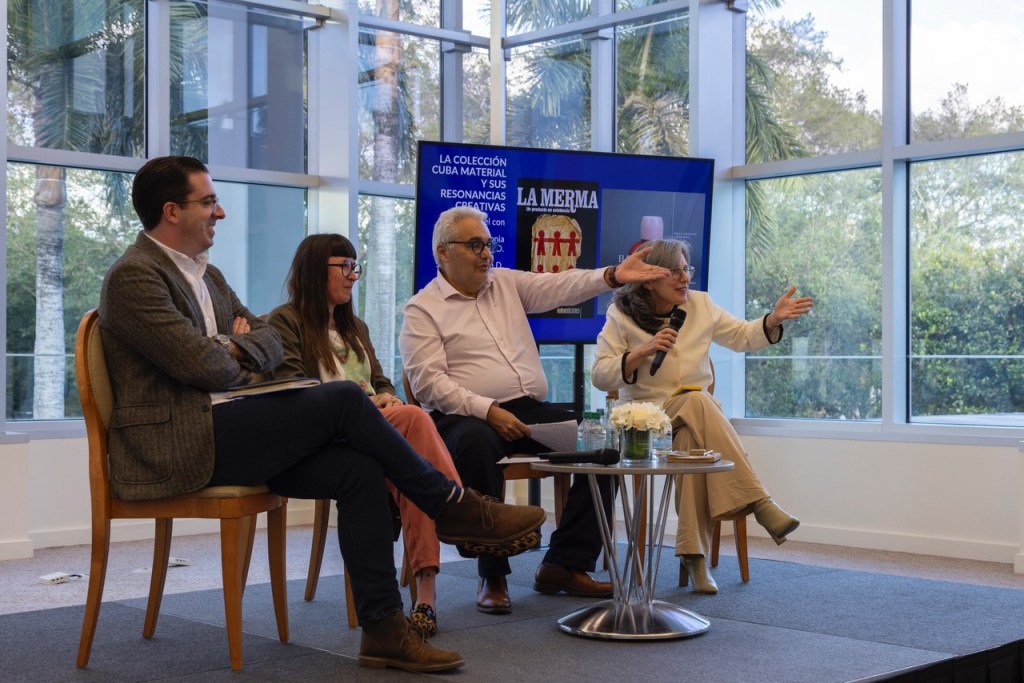
Part of that public gathered this past March 27 at the CHC for the presentation of two editorial projects inspired by the collection: La merma: un producto en existencia (Rialta, 2024), co-authored with poet Legna Rodríguez Iglesias, and El eco de las cosas: los años ochenta en la colección Cuba Material (Rialta, 2025), a collaboration with photographer Xavier Tavera and scholar Jorge Brioso. This event, part of an ongoing CHC initiative to engage and collaborate with community archives, offered a rare and meaningful opportunity for Cuba Material to connect physically with its public, to step momentarily into the embeddedness it usually lacks, and to experience firsthand the vitality of dialogue, recognition, and shared memory.
 Cuban Heritage Collection Blog